Today is Saint Patricks day! I have an apple cake baking in the oven, a loaf of soda bread (studded with dried cranberries instead of raisins, since my kids aren't a fan of raisins) ready to put in as soon as the cake comes out and plans for cabbage and potatoes and sausage for dinner.
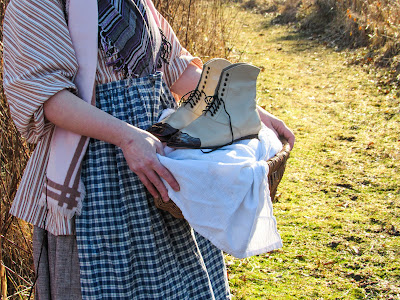 |
It was often commented on that Welsh women were frequently barefoot and would carry
their shoes and stockings with them, donning them before entering town. |
While I enjoy celebrating Saint Patricks day and feeling a bit Irish I wanted to share about my progress on my Welsh national costume and Saint Davids day which was just a few weeks ago on March 1.
Last year was my first time celebrating Saint David's day. Saint David is the patron saint of Wales and it seems like this day is every bit as much a fun holiday to the Welsh as Saint Patricks day is to the Irish. We celebrated last year by making a few Welsh dishes and watching an old movie set in Wales. I began researching Welsh folk dress and planned to have my own Welsh outfit complete for the next Saint David's day!
I spent all of last year reading as much as I could about Welsh dress. I have a lot of my research on my Instagram account but most of it originated at the wonderful Welsh Costume blog with many helpful photos from Folk Costume and Embroidery including the post about Costume of Ceredigion or Cardiganshire, Wales or Cymru and Costume of Ynys Mon, or Anglesey, and North Cymru or Wales.
I read every single thing on both blogs and followed all the links as far as I could. Even now, a year later, I still frequently reference both blogs because there is just SO much good information on both of them.
After this past year of reading it seems that the idea of Welsh National dress is a rather recent concept and originated from a desire to retain Welsh identity in a country fast adopting English fashions, culture and language. Lady Llanover, in the 1830's, was instrumental in pushing for the adoption of specific Welsh fashion. While she categorized different types of regional Welsh dress, had the styles illustrated and encouraged the wearing of such styles amongst her family, servants and visitors, it seems that this was NOT the normal, everyday dress of most women.

Reading through the sources on the Welsh Costume blog, it seems reasonable to assume that most Welsh women wore what any other woman in England may have worn - middle to upper classes ladies wearing current English styles and lower class people wearing more old fashioned or informal work clothing, including bedgowns. Visitors commented on the prevalence of wool for nearly every item of clothing - including shifts! - so it appears the use of wool versus linen, cotton or silk may help identify Welsh nationality. Wool was frequently described as stuff, or flannel and the colors brown, blue, black and red appear frequently. Stripes seem to have been common. The styles illustrated by Lady Llanover include the old fashioned bedgown, as well as other clothing styles that would have been considered old fashioned in the 1830's - 18th century style fitted gowns, jackets and accessories like lappet caps, long cloaks and the unique black Welsh hat (after the 1830 period or so, this was typically a top hat shape, but could also be ANY mans style hat, not necessarily the tall style).

I decided for my own outfit to go with the late 1790's/early 1800's and have been working on slowly stitching the pieces that will go into this ensemble. I wanted it complete to wear for this year but I am not even close to being done with everything yet.
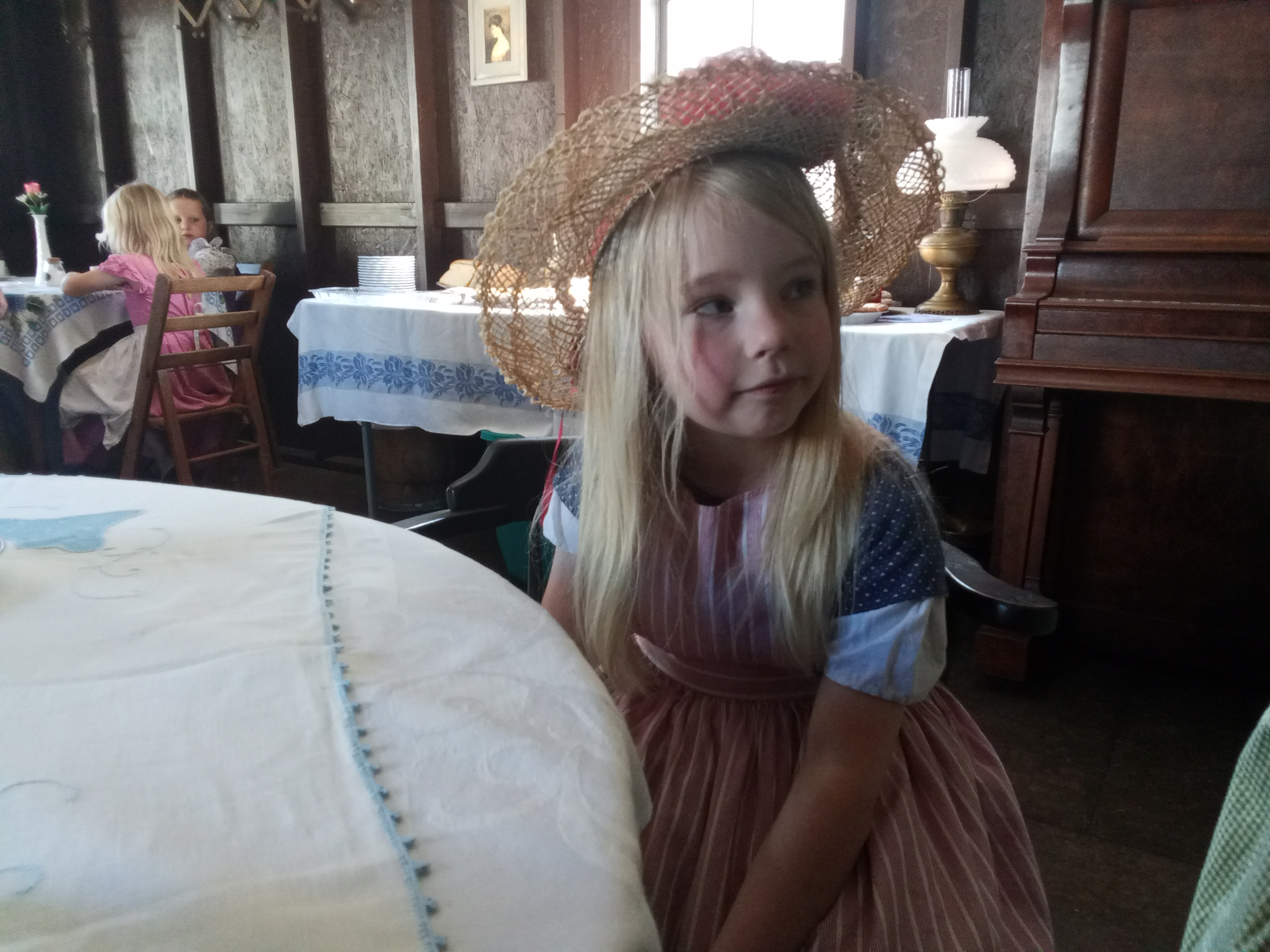
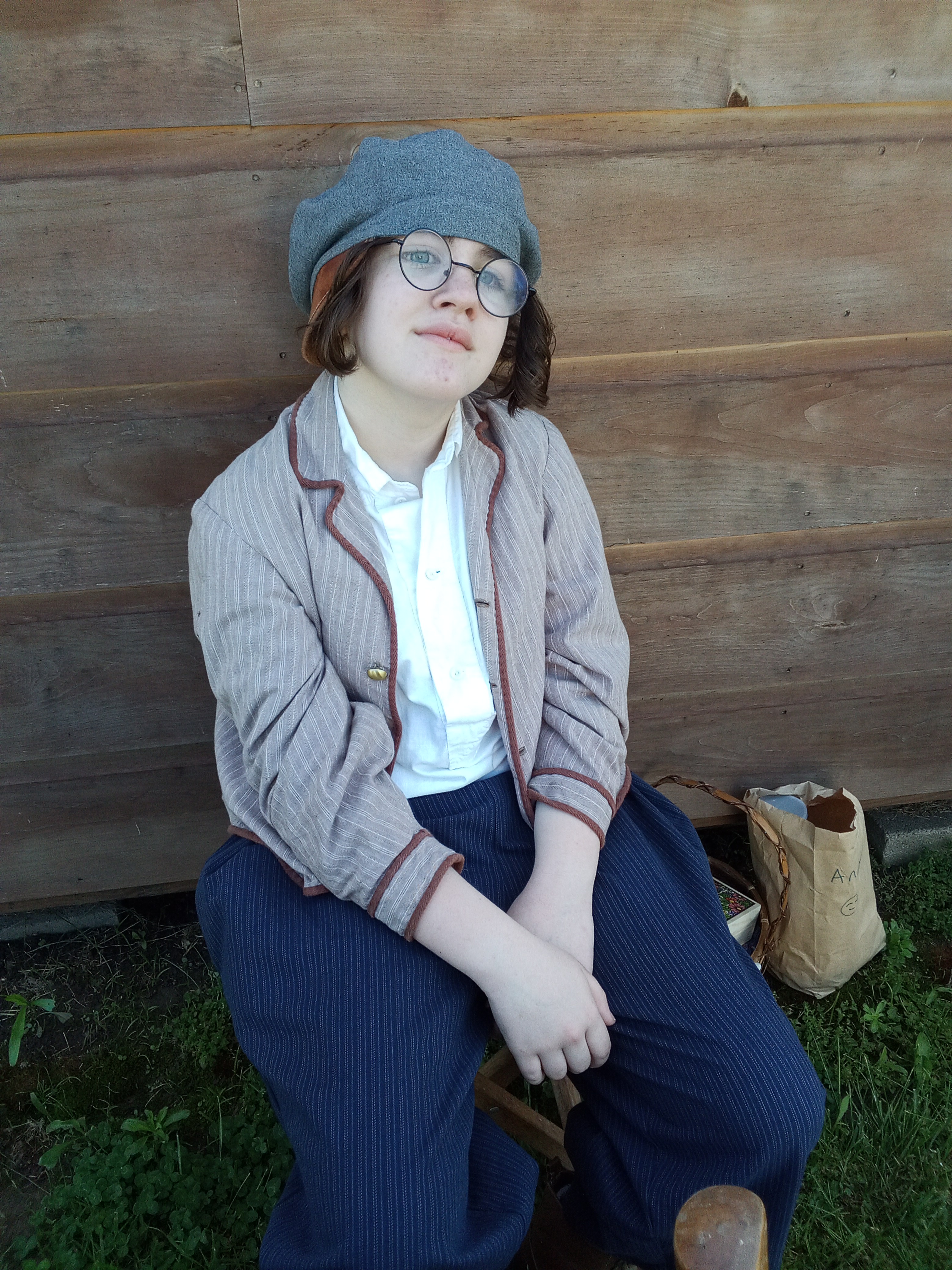
Instead, I'll share these photos that I took last year as my attempt at a Welsh-type outfit for Saint Davids day. These are all various parts of my 1860s reenacting wardrobe, with a petticoat from my 18th century dress and various shawls and scarves. While these clothing pieces are all historically accurate, they are not made of wool and this was just a for fun attempt at recreating a historic look inspired by Welsh common folk.
Soon I'll share photos of what I've been working on for my proper attempt at Welsh dress. At this point I have all my undergarments hand sewn and ready to go and fabric ready for several outer garments to mix and match for a variety of looks.
Much love,
Sarah